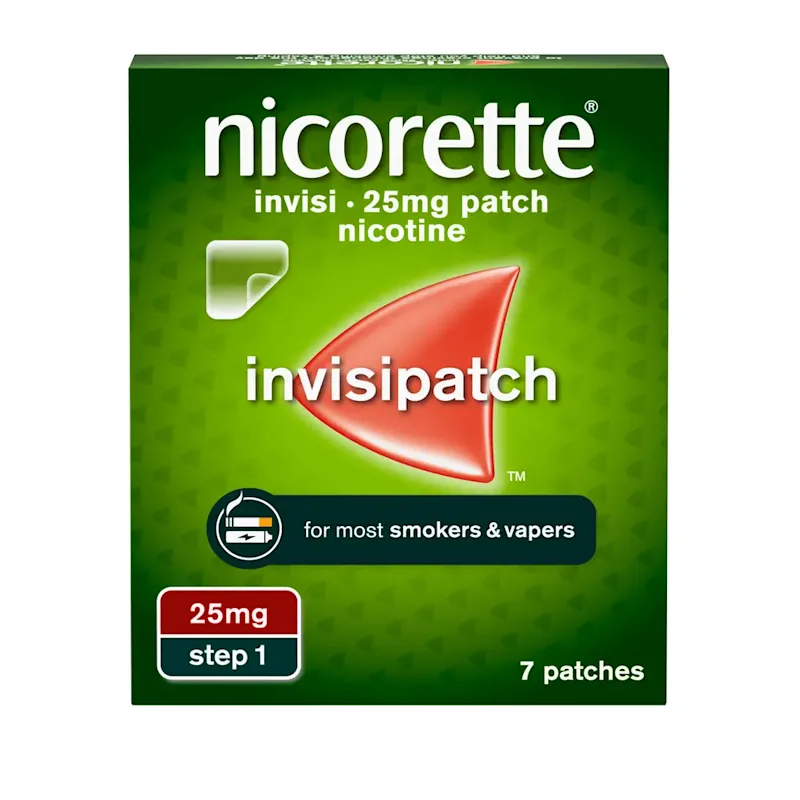
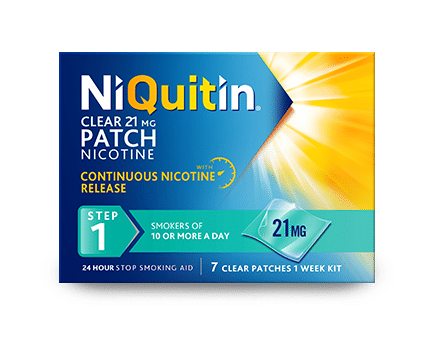
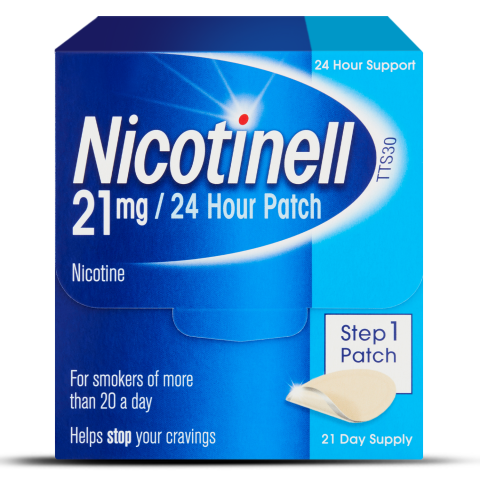
Where to put a nicotine patch follows similar basic rules for all three brands of nicotine patch that we sell. These need to be applied to clean, dry and hairless skin that is not red or broken. A new patch should be applied to a different part of the skin every day. In addition to these general guidelines, each of the brands Nicorette, NiQuitin and Nicotinell have their own specific instructions for use which are detailed below.
Where each brand says to put the patch
The Nicorette InvisiPatch leaflet asks for a clean, dry area of hairless skin to apply the patches. This can be to the front or side of your chest, upper arm or hip.
The Nicotinell patch leaflet has the longest list of possible locations for a patch. These are: shoulder blades, hip, front or side of chest, back, upper arm. If a patch won't stick to any of these areas it is possible to use the outer side of the thigh or the top of the buttocks. It is also possible to wipe the area with surgical spirit and then allow the skin to dry before applying the patch.
NiQuitin does not specify a particular body site. Its product information states that NiQuitin patches are to be applied to clean, dry, non-hairy skin and that in studies, the amount of nicotine absorbed was similar across sites on the upper body and the upper outer arm. So the amount of nicotine from a patch would not be greater at one site as opposed to another.
The three patches side by side
| Patch | Sites named | Press for | Wear time | Before reusing a spot |
|---|---|---|---|---|
| Nicorette InvisiPatch | Chest, upper arm, hip | Press firmly, then run your fingers round the edge | 16 hours, off at bedtime | Not two days in a row |
| NiQuitin Clear | None named, any clean non-hairy skin | At least 10 seconds with your palm | 24 hours, can come off at bedtime | At least 7 days |
| Nicotinell | Shoulder blade, hip, chest, back, upper arm | At least 20 seconds with your palm | 24 hours, day and night | At least 7 days |
Where not to put a nicotine patch
All of the leaflets suggest that you avoid applying the patch to skin that is red, cut, broken or irritated in any way. For the NiQuitin and Nicotinell patches it is also best to avoid places where the skin flexes or folds when you are moving i.e. over the joints. The patch can lift off in these areas.
Oil, body lotions and talcum powder should not be applied to the skin before putting on a Nicorette patch or Nicotinell patch as they can stop the patch from sticking correctly. After a hot bath or shower, Nicotinell says, wait until your skin is completely dry before applying a patch as you will continue to sweat from your skin even after you have towelled off.
How to put the patch on
- Wash your hands before using the product according to the instructions for Nicorette. Wash your hands with water only after using the product according to the instructions for NiQuitin. Soap may increase the amount of nicotine that is absorbed through your hands.
- Only open the sachet when you are ready to use the patch. Cut open along the edge or the dotted line to avoid damaging the patch.
- Carefully remove the backing. Try not to touch the adhesive side with your fingers.
- Press firmly with your palm for the time shown for your brand in the table above. Run a finger around the edges. Be careful not to touch eyes or nose with fingers.
Wear one patch at a time. Do not cut a patch to reduce the dose of nicotine (Nicotinell's leaflet is clear on this). For information on how to reduce the amount of nicotine from the patches and the different brands and their individual steps to reduce the amount of nicotine see the nicotine strength guide.
Why you change the spot every day
Using the same piece of skin could cause irritation. This is why there's Nicorette's rule: do not use the same patch of skin two days in a row. However, there are stricter rules to leave 7 days or more before you apply a new patch to the same area of skin with products such as NiQuitin or Nicotinell.
It is relatively easy to keep a 7 day gap between each use of a nicotine patch by giving each day of the week its own spot. A sore or itchy patch site is discussed in our guide to nicotine patch side effects. If concerned, speak to a pharmacist.
16 or 24 hours, and wearing a patch to bed
The Nicorette InvisiPatch is a 16 hour patch that is put on when you wake up in the morning and taken off at bedtime. The leaflet says it is not designed to be worn while you sleep.
Both NiQuitin Clear patches and Nicotinell patches are 24 hour patches that you change at about the same time each day, ideally in the morning, so they cover cravings on waking. NiQuitin says you can remove the patch before bed (after about 16 hours) if desired, though it will then do less for the first craving of the day. However, Nicotinell patches are worn day and night. Nicorette patches and Nicotinell patches should be removed by pregnant women before bedtime.
Some reported side effects of NiQuitin and Nicotinell are problems with sleep and abnormal dreams. Night-time waking is also listed as a side effect for Nicorette products. One person on a quit forum said that using a 16 hour patch helped with their sleep. If you find that a 24 hour patch is keeping you awake, speak to a pharmacist about altering how you use them. Alternatively, compare wear times for different nicotine patches on this site.
If the patch falls off
A properly fitted patch shouldn't come loose in water. NiQuitin and Nicotinell both say you can bathe, swim or shower while wearing them.
If a patch does come off, do not try to put it back on. Instead, carefully dispose of the used patch and apply a new patch to a different area of skin. NiQuitin adds that you can then keep changing patches at your usual time, and Nicorette also says to replace a patch lost while swimming, bathing or showering.
On some of the quit forums, people have mentioned using tape to keep down the edges that lift. None of the UK leaflets mention using tape, so ask a pharmacist first.
Taking it off and throwing it away
Even used patches contain nicotine and can cause harm to children and animals. Used patches should be folded in half with the sticky side inwards. Nicorette and NiQuitin suggest putting used patches in the opened sachet or some foil and then disposing of them in the rubbish bin, out of reach of children and animals.
Nicotinell patches contain aluminium. Their leaflet advises removal of the patch before a medical scan or a cardiac procedure to regulate your heart rate. Nicorette asks you to check with your doctor, pharmacist or nurse if you are due an MRI scan.
Patches we sell
According to the NHS Better Health website nicotine patches are best used in conjunction with a faster delivery product like nicotine gum or a mouth spray. Check both leaflets or ask your local pharmacist before using products in combination.
Questions people ask
Where is the best place to put a nicotine patch?
There are several areas of clean, dry, hairless skin that most brands list. These are for example the chest, upper arm and hip for Nicorette products and the shoulder blade and back for products by Nicotinell. The data from NiQuitin found that the absorption of nicotine through the skin was similar for the upper parts of the body and the upper outer arm. So choose a spot where clothes won't rub and where the skin doesn't crease.
Can I put a nicotine patch on my arm?
Yes. Upper arm is a listed site for both Nicorette and Nicotinell products. Switch arms or move to a different site daily to give the skin a rest.
Can I sleep with a nicotine patch on?
The duration of wear of individual patches varies. NiQuitin Clear and Nicotinell patches are worn for 24 hours, though NiQuitin can be removed at night. The Nicorette InvisiPatch is a 16 hour patch which should be removed prior to going to bed.
Related guides and patches
- Nicorette InvisiPatch, 16 hour patches in 25mg, 15mg and 10mg
- NiQuitin Clear patches, 24 hour patches in 21mg, 14mg and 7mg strengths.
- Nicotinell patches, including 24 hour patches in 21mg, 14mg and 7mg.
- Nicotine patch side effects and which strength to start on.