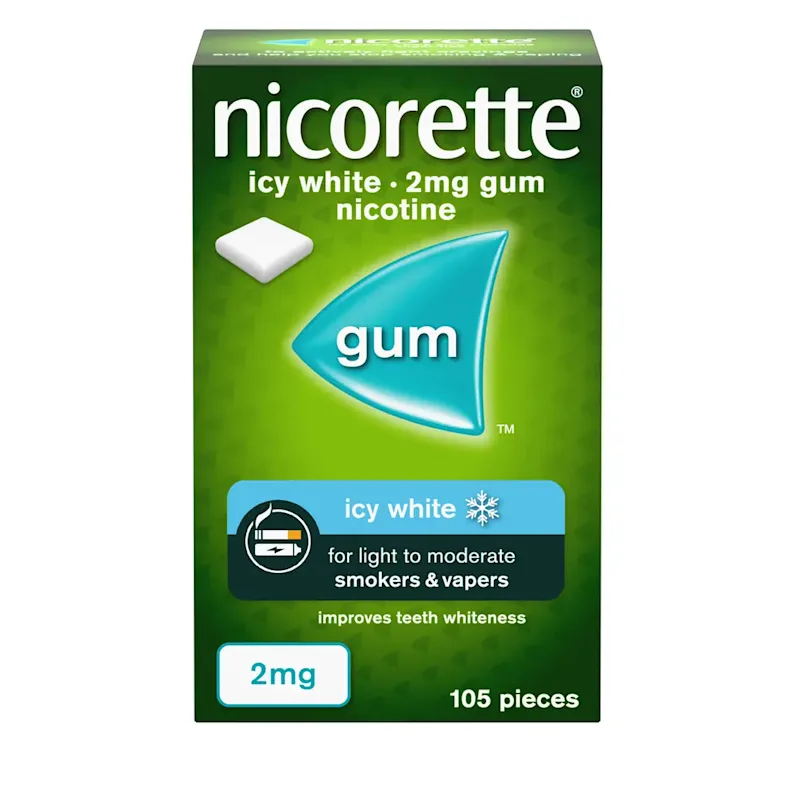
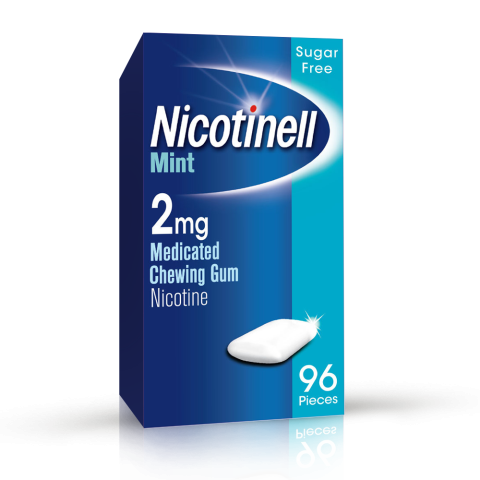
Most nicotine gum side effects are mild. They include hiccups, sore mouth or sore throat, feeling queasy, indigestion and headaches. Nicorette and Nicotinell patient information leaflets for nicotine gum note that some of these side effects may be caused by chewing gum too hard or too fast, resulting in nicotine being released too quickly. This article describes the side effects noted by the leaflets and how they can be confused with nicotine withdrawal symptoms. It also provides advice on when to seek advice from a pharmacist or GP.
Common side effects of nicotine gum
Every licensed gum comes with a patient leaflet listing the known side effects. These are listed below from the Nicorette Icy White gum leaflet and the Nicotinell 2mg gum leaflet.
| How often | Nicorette gum side effects | Nicotinell gum side effects |
|---|---|---|
| Very common (more than 1 in 10) | Headache, throat irritation, nausea, hiccups, sore mouth or throat | Nausea |
| Common (up to 1 in 10) | Dizziness, cough, taste changes, stomach pain, diarrhoea, dry mouth, wind, extra saliva, indigestion, a burning feeling in the mouth, tiredness | Dizziness, headache, stomach trouble, extra saliva, dry mouth, mouth and throat irritation, indigestion, heartburn or hiccups, insomnia, cough and sore throat |
| Uncommon (up to 1 in 100) | Abnormal dreams, jaw-muscle ache, mouth ulcers, rash or itching, chest discomfort, high blood pressure, among others | Itchy raised bumps on the skin (hives) |
The lists look long, but not everyone gets all of them. According to its leaflet, Nicorette gum causes slight throat irritation in some people when they first start using it, and the gum itself can increase saliva.
Why chewing technique matters
Nicotine gum is designed to release nicotine slowly from the gum so it can soak into the lining of your mouth. If you chew the gum continuously the nicotine can come out too quickly and be swallowed, causing irritation to the throat and stomach, and even hiccups. Nicotinell's leaflet says this can also cause indigestion and heartburn. This tends to happen more with people who chew their gum very hard.
Both brands give the same basic technique:
- Chew slowly until the taste becomes strong.
- Rest the gum between your gum and cheek.
- Chew again when the taste has faded and continue with this process for around 30 minutes.
Other points to note from the leaflets for these products are: Nicotinell state that users should only use one piece of gum an hour, gum should never be swallowed and users should avoid drinking coffee, juices, acidic and fizzy drinks for 15 minutes before using the gum as the drinks can inhibit the amount of nicotine that is taken up. From the Nicorette leaflet it seems that people who suffer from indigestion may find that slower chewing of the gum and using the 2mg version could be beneficial. Our step-by-step guide on how to use nicotine gum goes into more detail on how to use the product.
Jaw ache, dentures and dental work
Uncommon side effects for Nicorette gum listed in the leaflet include jaw-muscle ache. Both brands of gum can stick to dentures or other dental work and can rarely damage them. People with problems with their jawbone and some denture wearers may find the gum hard to chew, and Nicotinell's leaflet suggests switching to a patch or lozenge. Our nicotine lozenges and nicotine patches do the same job without any chewing of gum.
Is it a side effect or nicotine withdrawal?
People often put gum side effects down to it but some of these can be down to your body readjusting to less nicotine. The Nicorette leaflet lists the possible withdrawal effects from nicotine, and then states that some of these effects can occur if one is using too little gum before trying to cut down. The effects are: irritability, feeling low, anxiety, restlessness, poor concentration, increased appetite, craving for a cigarette, waking at night, feeling dizzy, cough, constipation, bleeding gums and mouth ulcers.
The Nicotinell leaflet refers to dizziness, headaches and sleeplessness within the first few days of giving up smoking and attributes these to lack of nicotine. As with the Nicorette leaflet, mouth ulcers are said to be brought on by quitting smoking and not by the gum itself. More on nicotine withdrawal and its duration in our nicotine withdrawal guide.
Signs you're getting too much nicotine
On the other hand, according to the Nicorette leaflet, too much nicotine can make you feel faint or sick, and cause headaches and hiccups due to swallowing too much nicotine. It can also affect people who aren't used to inhaling tobacco smoke or vapes.
If that sounds familiar, look at your strength and how many pieces you're using. Nicorette has a maximum of 15 pieces per day as set out in their leaflet, whereas Nicotinell states no more than 24 pieces of 2mg gum per day. Nicotinell says most people use 8 to 12 pieces of 2mg gum a day. The right strength depends on how much you smoke and each brand has different rules. Check the back of the pack or use our nicotine strength guide.
Gum should be kept out of the reach of children. Nicotinell's leaflet on nicotine gum states that there is a serious risk of poisoning should a child accidentally swallow nicotine gum. Should this happen you should contact a doctor or the nearest A&E department immediately.
When to stop and get advice
Stopping gum use immediately and seeking medical help as soon as any of the signs of an allergic reaction start to show is the message from both of these leaflets. The signs of an allergic reaction are: difficulty in breathing or swallowing; and swelling of the face, mouth, lips, tongue or throat. Nicorette also lists fast or abnormal heartbeat; palpitations; shortness of breath; and seizures. It tells people not to smoke or vape and to contact a doctor straight away if they experience any of these symptoms.
For mild symptoms that haven't cleared up yet, speak to a pharmacist or your GP who can review your use of your medication (including checking your technique), the strength that you're using, and change you to an alternative formulation if necessary. If in doubt about how urgent your problem is, contact NHS 111. Side effects can be reported using the MHRA Yellow Card scheme.
It is also recommended that you speak with your doctor or pharmacist before using nicotine gum if you are in hospital with a heart condition, have uncontrolled high blood pressure, a stomach ulcer, are diabetic or have another long term health condition, are pregnant or are breastfeeding.
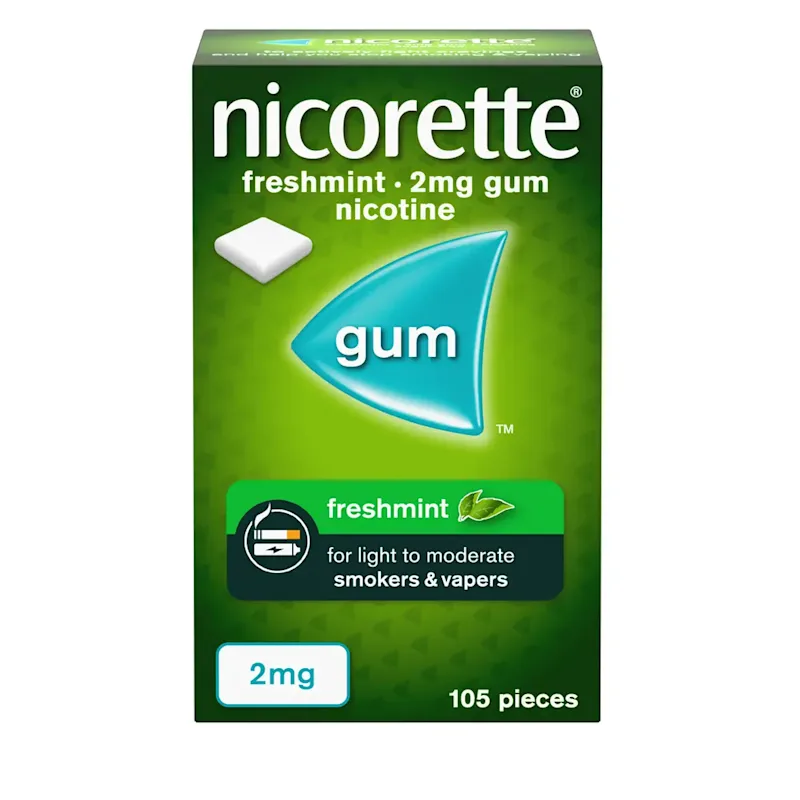
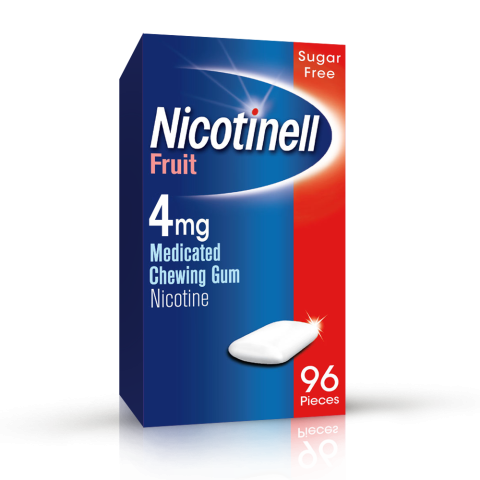
Nicotine gum in our range
See the full range on our nicotine gum page.
Nicotine gum side effects FAQs
Why do I get nicotine gum hiccups?
These products are usually chewed too fast. The nicotine is released too quickly and is swallowed instead of being absorbed by the cheek. Chewing nicotine products slowly and letting the gum rest between your cheek and gum will help.
Can nicotine gum upset your stomach?
Yes. Nausea, indigestion, heartburn and stomach pain are described in the leaflets. These are usually caused by swallowed nicotine. Chewing more slowly may help but speak to a pharmacist if symptoms persist.
What are the side effects of Nicorette gum?
The Nicorette leaflet lists headaches, throat irritation, nausea, hiccups and a sore mouth or throat as very common. Other side effects that are considered to be common are dizziness, cough, indigestion and a burning sensation in the mouth.
Can I swallow nicotine gum?
No, you should not swallow the gum. Once the flavour has worn off after around 30 minutes you should wrap it up in paper and dispose of it in the bin.
Is a sore throat from nicotine gum normal?
Slight throat irritation at the start of treatment is described in the Nicorette leaflet. If severe or lasting, seek advice from a pharmacist.
Keep reading
- How to use nicotine gum
- Nicotine gum or lozenges
- Nicotine replacement therapy explained
- Nicotine patch side effects