Nicotine replacement therapy (NRT) provides smokers with nicotine without the tar, carbon monoxide and other harmful chemicals in cigarette smoke. By providing nicotine to the body in a cleaner form, NRT helps to reduce cravings and alleviate withdrawal symptoms. There are several forms of NRT available including patches, gum, lozenges, mouth and nasal sprays, an inhalator and microtabs. In this guide we cover what NRT is, how each of the forms works, how the NHS recommends that NRT products are used in combination, where to get them from and look at the safety issues surrounding their use.
What is NRT?
NRT refers to a variety of licensed over-the-counter medicines containing nicotine which are used when trying to stop smoking. According to the NHS Better Health guide to NRT, NRT products give your body lower amounts of nicotine without the harmful chemicals found in cigarettes. The NHS Better Health website describes NRT as the most widely used product to help people stop smoking.
Nicotine isn't the worst thing about cigarettes. According to the NHS, nicotine on its own doesn't cause cancer, lung disease, heart disease or stroke. It's the other chemicals in tobacco that do most of the damage. But nicotine is very addictive and when you stop smoking suddenly you can get withdrawal symptoms like cravings, feeling irritable and other symptoms described in our nicotine withdrawal guide. Using NRT while you are giving up smoking helps to reduce these symptoms.
How NRT works: slow and fast-acting products
NRT products are described by the NHS in two categories. There are slow release patches which deliver a constant amount of nicotine throughout the day. All other NRT products are fast release delivering nicotine through the mouth or up the nose to provide quick relief from craving.
Variation within the fast group of aids to give up smoking: whilst the inhalator is said to act faster than the gum or lozenge forms, mouth spray forms are very fast followed by the nasal spray form which gets the nicotine into the bloodstream the fastest and which is said to give the closest tobacco smoking substitute 'hit'.
Types of nicotine replacement therapy
Here is a list of the different formats that we sell, including the brands that are stocked in the UK.
| Format | How you use it | Speed | Brands |
|---|---|---|---|
| Patches | Stick one on in the morning, wear for 16 or 24 hours | Slow, steady | Nicorette, NiQuitin, Nicotinell |
| Gum | Chew until the taste is strong, then rest it in your cheek | Fast | Nicorette, Nicotinell |
| Lozenges | Let it dissolve slowly, moving it around your mouth | Fast | Nicorette, NiQuitin, Nicotinell |
| Mouth spray | A spray into your mouth when a craving starts | Very fast | Nicorette, Nicotinell |
| Nasal spray | A spray into each nostril | Fastest | Nicorette |
| Inhalator | Draw on a plastic mouthpiece holding a nicotine cartridge | Fast | Nicorette |
| Microtabs | A small tablet that dissolves under your tongue | Fast | Nicorette |
Patches
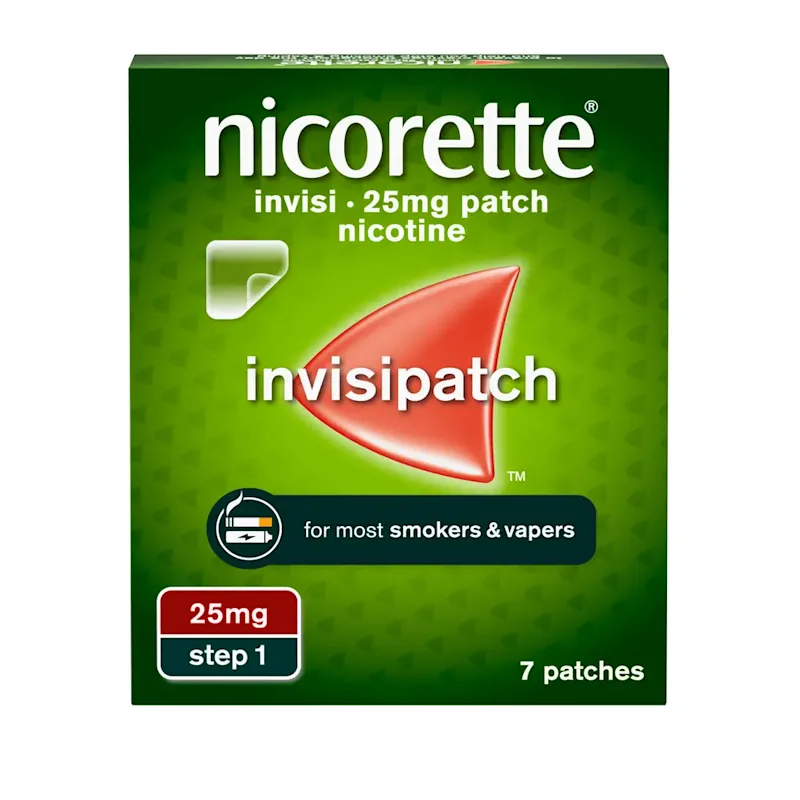
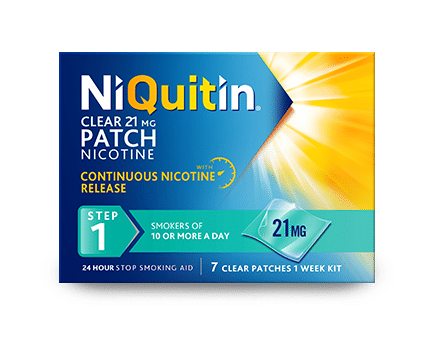
Products such as Nicorette InvisiPatch are designed to cover the background need for nicotine and last for 16 hours. InvisiPatch can be removed at bedtime, whereas products such as NiQuitin Clear and Nicotinell last for 24 hours and can help with the first craving of the day. All of these products reduce the dose over a few months. Some people find that where they apply the nicotine patch can cause irritation, so it is worth reading where to put a nicotine patch before use.
Gum and lozenges
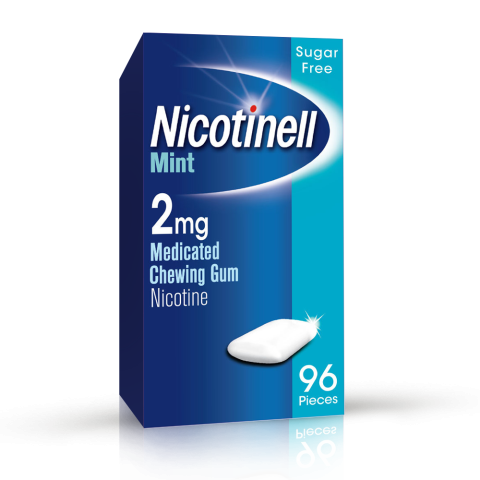
Gum is good for people who miss having something in their mouth. This type of gum is not to be chewed like normal gum, as explained in our guide on how to use nicotine gum. Lozenges are another option and are silent and melt in the mouth. Nicorette gum is sold in 2mg in the UK, Nicotinell gum in 2mg and 4mg, and lozenges come in a variety of strengths, from 1mg to 4mg. We compare the two in nicotine gum or lozenges.
Mouth and nasal sprays
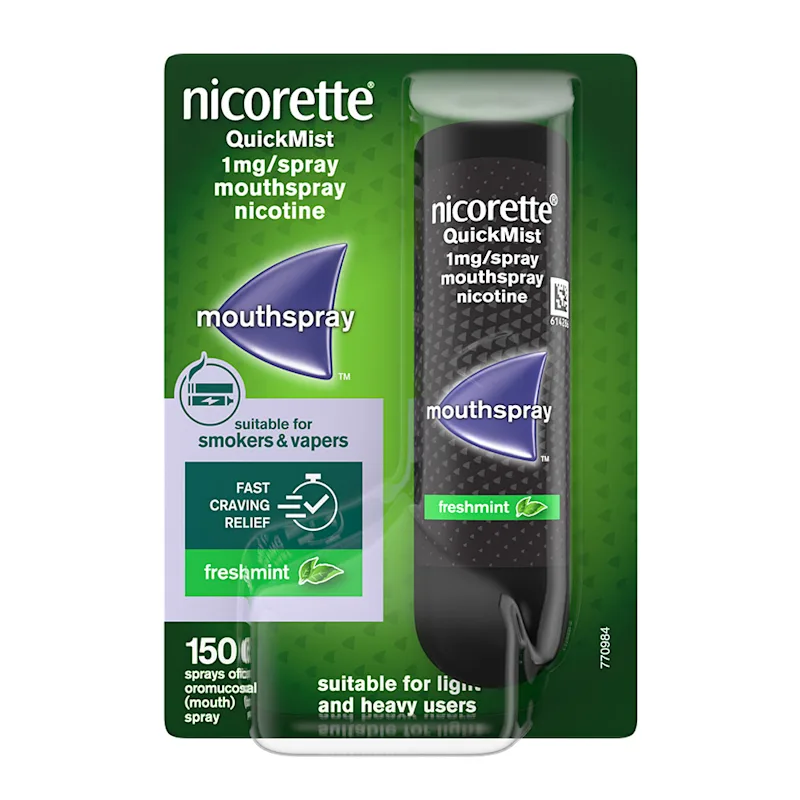
Mouthsprays such as Nicorette QuickMist or Nicotinell 1mg mouth spray are best for sudden cravings. Nicorette Nasal Spray is the quickest delivery format of all and is used by spraying once into each nostril.
Inhalator and microtabs
The Nicorette Inhalator mimics smoking in your hands and mouth so you can continue to do the things you normally do when you're smoking. The Nicorette Microtabs are tiny 2mg tablets which are dissolved under the tongue. They are chewless and discreet.
Can you combine NRT products?
Yes. NRT is recommended by the NHS in their NRT guidance. This suggests that using a slow release product like a patch on a regular basis and then using a quick relief product as needed will be most effective. The NHS also says NRTs can "double your chances of quitting for good".
A typical combination is a patch used daily, with gum, lozenges or mouth spray as back-up. Patch leaflets such as NiQuitin's set a daily limit for the fast product, so it's best to read both leaflets when using them in combination. Some products have special rules for younger users. For example the leaflet for Nicotinell gum states that adolescents should not use a combination of products to try to give up smoking.
Which strength of NRT do you need?
This varies from smoker to smoker and also from brand to brand. Some work on number of cigarettes per day whilst others work on how soon after waking you have your first cigarette. It's best to refer to the pack for specific information and we explain each brand's system in our nicotine strength guide. The help me choose section has also been set up to help you with a few simple questions.
How long should you use NRT?
The NHS recommend that NRT is used for about 12 weeks, or as long as you need it to avoid smoking again, cutting down gradually once you feel ready. In Scotland, NHS inform state that NRT should be used for 8 to 12 weeks, however please refer to individual product for further guidance. Some leaflets state an upper limit for which the product should be used, for example Nicotinell gum should not be used for more than 12 months unless the benefits outweigh the risks. See our quit smoking timeline to see what to expect over the weeks.
Where to get NRT
You can buy Nicotine Replacement Therapy products from pharmacies and other shops listed by the NHS including supermarkets and online from this website. We sell the full range of Nicorette, NiQuitin and Nicotinell products with free UK delivery on all orders over £30.
It's also available through the NHS:
- Services from Local Stop Smoking Services in England are free to use by people living in England. According to the NHS, support is usually offered for up to 12 weeks and at each of the sessions you will receive a supply of, or a prescription for, your chosen stop smoking treatment. Your GP, local pharmacist or health visitor can refer you. You can also call the free Smokefree National Helpline on 0300 123 1044.
- Your GP may prescribe you NRT and explain the different nicotine-free medicines available such as varenicline.
- In Scotland, NHS inform says NRT is available free from your local community pharmacy, stop smoking adviser or GP.
Is NRT safe?
NHS inform state that NRT is safe to use as a smoking cessation aid and for maintaining abstinence from tobacco smoking. As a medication however, there are a few guidelines which must be adhered to.
- Pregnancy: This is covered in the NHS pregnancy advice. You may use NRT if you are unable to stop smoking without it, but speak to a midwife, GP, pharmacist or stop smoking adviser first. Patches should be worn for no more than 16 hours per 24 hours and removed at bedtime. Avoid liquorice flavoured products and opt for fruit or mint flavours instead.
- Medical conditions: The leaflets state that people who are in hospital with heart disease, or who have uncontrolled high blood pressure, a recent stroke, diabetes or other conditions, should speak with their doctor or pharmacist first.
- Age: product specific. Guidance for use from 12 years old and above, some products require under-18s to seek advice from a healthcare professional. Not for use by children under 12 years old unless advised by a doctor.
- Side effects: Usually mild and generally specific to product form. See nicotine gum side effects and nicotine patch side effects.
Nicotine pouches are not licensed stop smoking products in the UK and therefore are not classified as NRT products according to the NHS.
Popular NRT to start with
NRT questions
What is NRT?
NRT stands for Nicotine Replacement Therapy. It is a licensed medicine that contains nicotine. NRT can be used as part of a smoking cessation programme or to help cut down smoking. NRT does not contain tar or carbon monoxide found in cigarette smoke. Instead it helps to control cravings and reduce withdrawal symptoms.
What are the types of nicotine replacement therapy?
Patches (on the skin), gum, lozenges, mouth spray, nasal spray, inhalator and microtabs. Patches are slow release via the skin, the rest act quickly within the mouth or nose.
Can I smoke while using NRT?
Whether a product is licensed to help people reduce down to zero before they stop or whether patch products are intended to help people stop completely will be outlined in the leaflet for that particular product.
Is NRT free on the NHS?
Free local Stop Smoking Services can also provide a supply of products or write a prescription for you. Your GP can also prescribe products for you to stop smoking. In Scotland NRT is available free of charge from community pharmacies, according to NHS inform.
Can I use NRT while pregnant?
NRT is available from your pharmacy and can be used during pregnancy if necessary. NRT should only be used after discussing with your midwife, doctor or pharmacist. Patches should be removed before bedtime.
Keep reading